Systematic Transfer Plan (STP): A Smart Way to Navigate Market Volatility
Investing can feel overwhelming, especially when markets swing wildly. While most investors know about SIPs (Systematic Investment Plan), there's another powerful tool worth exploring: the Systematic Transfer Plan (STP).
What is an STP?
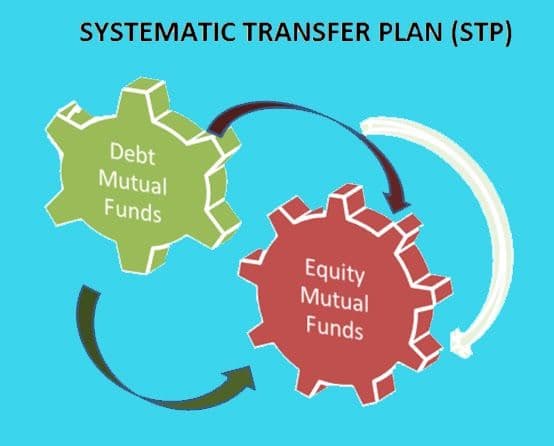
An STP allows you to transfer a fixed amount from one mutual fund scheme to another at regular intervals.
How it works:
- Invest a lump sum in one fund (usually liquid/debt)
- Set up automatic transfers to another fund (typically equity)
- Choose your frequency: weekly, monthly, or quarterly
Why Use an STP?
Rupee Cost Averaging Like SIPs, STPs help average your purchase cost. You buy more units when prices are low and fewer when high—no need to time the market.
Better Than Lump Sum Investing Got a bonus or inheritance? An STP lets you:
- Enter the market gradually
- Reduce timing risk
- Earn returns on waiting capital in debt funds
Rebalancing Made Easy Systematically move money between equity and debt to maintain your desired asset allocation.
Earning While Waiting Your money earns reasonable returns in debt/liquid funds instead of sitting idle in a savings account.
Types of STPs
Fixed STP: Transfer a fixed amount regularly—simple and predictable
Capital Appreciation STP: Only transfer the gains; keep your principal intact
Flexi STP: Transfer amount varies with market conditions—more when markets are down, less when up
The Downsides to Consider
- Exit loads on premature redemption from source fund
- Tax implications with each transfer being a taxable event
- Fund management charges on both schemes
- Opportunity cost if markets rally continuously—lump sum might perform better
Who Should Use STPs?
Ideal for:
- Conservative investors with lump sums who want to reduce timing risk
- Retirees moving from equity to debt for regular income
- Investors wanting disciplined asset allocation
- Anyone looking to enter equity markets gradually
How to Get Started
Step 1: Choose a reliable liquid or ultra-short-term debt fund as your source
Step 2: Select your target equity fund based on goals and risk appetite
Step 3: Decide transfer frequency (monthly is most common)
Step 4: Determine the amount per transfer
The Bottom Line
STPs are tools, not magic formulas. They work best when aligned with your:
- Financial goals
- Risk tolerance
- Investment horizon
The beauty of systematic investing is simple: it removes emotion from investing. You're not trying to outsmart the market; you're being consistent. And in investing, consistency often beats cleverness.
Comments
Loading comments...